When to Replace Your Cushions: Understanding Wear, Comfort, and the 7-10 Year Rule
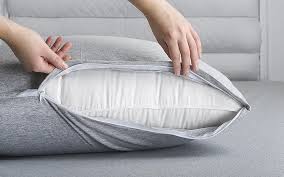
Cushions are one such home accessory that one might overlook, not realizing its importance in their day-to-day living experience. Whether it is used for supporting your seating, improving your sleep experience, or creating a snug corner for your pet, cushions are crucial in determining your posture and well-being. One query frequently asked by home-owners is whether they should change their cushions when they deteriorate or after a recommended 7-10 years? The most reliable response will lie in analyzing how cushions deteriorate and their usage pattern.
How Cushions Can Deteriorate Over Time
Cushions depend on foam inserts for support. Inevitably, even the most durable foam will give way to pressure over a period of time. If a chair cushion fails to return to its form after being sat upon or feels unlevel, it is likely that the foam inserts have failed. This can be for a living room chair, an office chair, a pet bed, dining chairs, and other frequently used pieces.
The foam factory is also environmental conditions that can cause rapid wear. Presence of moisture, body heat, as well as dust, may cause compromise of the foam quality, resulting in lack of comfort and even hygiene issues.
The 7-10 Year Replacement Guideline
The often-quoted rule of replacement between 7 and 10 years is only a guide. For instance, high-density mattresses may last longer than other mattresses regarding providing support to the sleeper. Nevertheless, such mattresses that are frequently utilized may need to be replaced earlier than mattresses that are occasionally utilized.
When it comes to mattress replacement, worn-out foam can also be a factor in poor sleep posture and back pain. Likewise, old cushions can lead to feelings of tiredness even in shorter durations of seating.
Special Considerations – Outdoor Cushions
Outdoor cushions face harsher conditions than indoor seating. Factors such as the sun, rain, and changes in temperature cause rapid breakdown of the foam. Consequently, replacement of the foam in outdoor furniture cushions happens regularly, even within 3 to 5 years. Use of foam meant for outdoor cushions increases the lifespan of cushions by making them water- and mold-resistance.
Replace The Foam, Not The Furniture
One very effective solution would be to replace the foam inserts as opposed to purchasing new furniture. This would not only provide comfort but would also be economical. Whether it is the sagging cushion on a chair, the old cushions on the sofa, or the flattened-out dog bed, a new piece of foam would work wonders.
Important Signs It’s Time to Get New Cushions
• Visible sagging or unevenness
• Resilience loss or slow recovery of the foam
• Increased discomfort during usage
• Lingering smells or allergens
• Decreased support related to posture or sleep
Conclusion
Cushions don’t necessarily go bad all at once, but they definitely don’t perform the same after a while. While the general guideline of 7 to 10 years can be a useful point of reference, the best measure is actually performance. Testing for comfort, support, and hygiene can go a long way in figuring out whether or not it’s time to replace. Whether it’s mattress foam, outdoor foam replacement, or just basic cushions, quality matters.